Dealing with fly-tipped rubbish in Colindale quickly
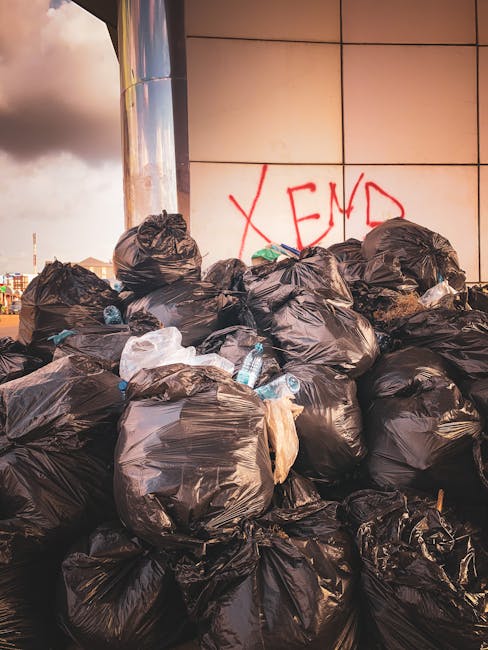
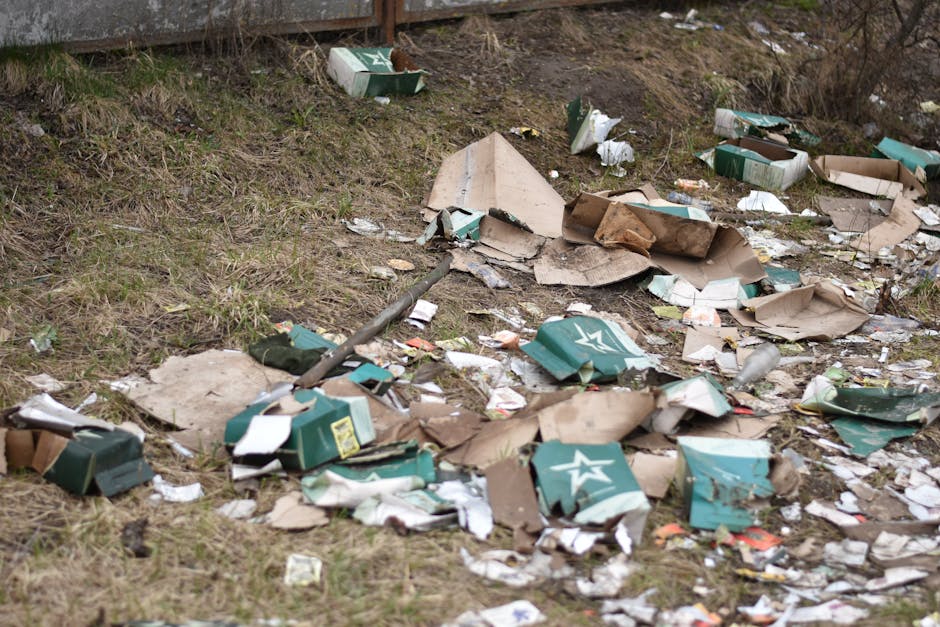
Fly-tipped rubbish has a way of turning up at the worst possible time. One morning the pavement is clear, and by lunchtime there's a broken sofa, black sacks, old office chairs, and maybe a rusty bit of metal leaning awkwardly against the wall. If you are dealing with fly-tipped rubbish in Colindale quickly, you usually need two things at once: a fast response and a sensible, tidy clean-up that does not create a second problem.
This guide walks you through what fly-tipping means in practice, what to do first, how quick removal typically works, and how to choose a service that is safe, tidy, and properly managed. It also covers common mistakes, compliance considerations, and a few practical tips that save time. In other words, the stuff people often wish they had known before the bin bags started attracting even more bin bags.
For anyone comparing local support, it can also help to understand how a provider handles safety, payment, and recycling. Pages such as pricing and quotes, insurance and safety, and recycling and sustainability give useful context before you book.
Why Dealing with fly-tipped rubbish in Colindale quickly Matters
Fly-tipped waste is not just an eyesore. It can block access, attract more dumping, create trip hazards, and make a property look neglected. In a place like Colindale, where residential streets, flats, small businesses, and busy roads all sit close together, a pile of dumped rubbish can become everybody's problem in a hurry.
Speed matters because rubbish rarely stays the same size for long. A single mattress can become a pile of mixed waste by the next day. Passers-by add to it, rain soaks into cardboard, and wind scatters light items into doorways, gardens, or parked cars. Then the smell starts. Not dramatic at first, just that damp, stale odour that tells you the mess is settling in.
There is also a practical side. If rubbish is left near an entrance, loading bay, shared path, or back alley, it can interfere with access for residents, staff, deliveries, and emergency services. For businesses, that can quickly become a reputational issue. For landlords or managing agents, it can become a complaint you could have done without, frankly.
Quick action also reduces the risk of hidden hazards. Sharp edges, broken glass, needles, chemicals, and heavy items are not always obvious from the street. That is why a careful response is better than a rushed one. Fast does not need to mean careless.
Expert summary: The best response to fly-tipped rubbish is the one that is both rapid and controlled: secure the area, identify the type of waste, arrange safe removal, and make sure it is disposed of correctly.
How Dealing with fly-tipped rubbish in Colindale quickly Works
The process is usually straightforward, but the exact approach depends on the size, location, and type of waste. A small domestic pile on private land is very different from mixed construction debris in a narrow access lane or bulky commercial waste left outside a shop.
In practice, a quick removal service tends to follow a few stages. First comes the initial assessment. This can be done from a photo, a description, or a short visit if the situation is unclear. Next comes planning: what equipment is needed, how many people are required, whether the waste needs manual lifting, and whether any items need special handling. Then the waste is collected, loaded, and taken away for proper disposal or recycling.
That may sound simple. Sometimes it is. Other times it is a bit fiddly because of access, parking, or the nature of the waste. A basement stairwell, a rear yard, or a narrow alley can slow things down, especially if the rubbish includes heavy cabinets, broken shelving, or wet materials. To be fair, that is where experience saves time.
Many readers also want to know what happens after removal. A good provider will normally aim to leave the area swept and clear, with any loose debris gathered up rather than just the obvious items removed. That finish makes a real difference, particularly if you are trying to reopen access or restore a decent appearance fast.
If you are checking a provider's standards before booking, pages like the health and safety policy and insurance and safety information are useful signs that the process is being treated properly.
Key Benefits and Practical Advantages
When fly-tipped rubbish is cleared quickly, the benefits are immediate and usually obvious within minutes. You get space back, the area looks better, and the risk of complaints or further dumping goes down. But there are a few less obvious advantages too.
- Reduced nuisance: Fewer smells, fewer pests, and less chance of litter spreading.
- Better access: Doorways, pathways, service yards, and parking spaces become usable again.
- Lower stress: People stop having to walk past the mess and wonder who is going to deal with it.
- Improved appearance: This matters more than some people admit, especially for lettings, retail frontage, or shared residential areas.
- Safer handling: A professional approach helps avoid injury when waste may include sharp, heavy, or contaminated items.
- More responsible disposal: You are far more likely to route the waste through proper recycling and waste transfer channels.
There is also a longer-term benefit: the faster you remove dumped rubbish, the less inviting the spot becomes for repeat fly-tipping. That does not solve everything, but it helps. People notice when a place looks looked after.
| Benefit | What it means in real life | Why it matters quickly |
|---|---|---|
| Fast clearance | Waste is removed without long delays | Stops the area deteriorating further |
| Safe handling | Items are moved with the right precautions | Reduces injury and contamination risks |
| Proper disposal | Waste is taken to the right facility | Supports compliance and responsible practice |
| Good finish | Loose debris is swept and checked | Leaves the site usable, not half-finished |
Who This Is For and When It Makes Sense
This kind of service is useful for quite a wide range of people. If you are staring at an awkward pile of dumped waste and thinking, "Right, how do I get this sorted today?", you are exactly the sort of person this is for.
Typical situations include:
- Homeowners dealing with dumped furniture, bagged waste, or builder's rubble left near private land.
- Landlords and letting agents who need fast clearance between tenants or after an abandoned disposal.
- Managing agents responsible for communal areas, bin stores, or rear access routes.
- Business owners facing a messy entrance, service yard, or delivery area.
- Site managers who need waste removed before work can continue safely.
- Property investors and developers trying to make a site presentable before inspection or handover.
It makes sense when the rubbish is too much for normal household disposal, too awkward for standard collections, or too urgent to leave until next week. It also makes sense if you do not know what the waste contains. Suspicious sacks, broken electronics, paint tins, or mixed waste from unknown sources deserve a cautious approach.
Sometimes people delay because they hope someone else will deal with it. Fair enough, but rubbish has no respect for good intentions. If the pile is causing concern now, it usually gets more annoying, not less.
Step-by-Step Guidance
If you want to handle the issue efficiently, use a simple process. It keeps you calm, saves time, and helps whoever is removing the waste understand the job properly.
- Assess the site safely. Do not poke around in the rubbish if you do not know what is inside. Look for glass, needles, chemicals, or heavy hidden items.
- Take clear photos. Good pictures help with quoting and planning. Stand back enough to show the whole pile and, if useful, take a second image that shows access.
- Note the access conditions. Is there parking nearby? Are there stairs, a narrow gate, or a locked yard? These details affect speed.
- Separate obvious hazards if safe to do so. Only if you can do it without risk. If not, leave it alone and flag it.
- Request a quote or collection slot. Give a clear description of the waste type, approximate volume, and location.
- Confirm what is included. Ask whether loading, labour, disposal, and site sweep-up are covered.
- Prepare the area. Move cars, unlock gates, and make sure someone can grant access if needed.
- Check the finish. Once removed, look for small debris, screws, broken glass, or bag fragments that may have been left behind.
A useful local touch: if the rubbish sits on a busy Colindale street, try to arrange the clearance at a quieter time of day. Early morning can be easier for parking and access. Later in the day, traffic, delivery vans, and people coming and going can turn a simple job into a bit of a squeeze.
If you are comparing providers, the pricing and quotes page can help you think through what information is needed up front. And if payment needs to be handled securely, the payment and security information is worth checking before you confirm anything.
Expert Tips for Better Results
There are a few small habits that make a big difference with fly-tip removal. Nothing flashy. Just the sort of sensible detail that keeps jobs moving smoothly.
- Be precise about the waste mix. "A bit of everything" is less useful than saying "three black bags, one broken wardrobe, and some loose cardboard".
- Flag anything that could be hazardous. Old paint, sharp metal, needles, chemicals, and electrical items may need extra care.
- Think about access before the crew arrives. A locked side gate or blocked driveway can waste more time than the collection itself.
- Ask what happens to recyclable material. Mixed rubbish is common, but cardboard, metal, and reusable items should still be separated where possible.
- Keep neighbours informed if the area is shared. It avoids confusion, especially in communal blocks or business yards.
- Do not over-handle the waste yourself. A quick tidy is fine, but lifting unknown or heavy items without equipment is where injuries happen.
One little reality check: sometimes the quickest route is not the cheapest quote on paper. If a provider is vague about labour, access, disposal, or timing, that "cheap" option can become expensive in patience. And nobody needs that at 8:15 on a wet Tuesday.
Where sustainability matters, ask how the waste will be managed after collection. Responsible sorting and recycling are not just nice extras; they are part of doing the job properly. You can read more on the site's recycling and sustainability page.
Common Mistakes to Avoid
A lot of delays and headaches come from the same few mistakes. Avoid these and you are already ahead of the game.
- Waiting too long. The longer fly-tipped waste sits, the harder it is to manage.
- Guessing the volume. Underestimating the amount of waste can lead to failed collections or incomplete clearance.
- Ignoring access issues. A narrow alley or restricted parking space can turn a simple job into a logistical puzzle.
- Mixing hazardous and non-hazardous items. Do not bundle suspicious materials with ordinary rubbish without checking first.
- Choosing based on price alone. Low quotes are not helpful if the work is rushed or poorly handled.
- Forgetting proof of proper disposal. Good practice matters, especially for businesses and landlords.
Another common one is assuming the same approach works for every pile. It doesn't. A couple of sacks of dumped household rubbish is one thing. A pile with plasterboard, broken timber, and old electronics is another. Different waste streams need different handling. Simple, but easy to overlook.
Tools, Resources and Recommendations
You do not need a toolkit the size of a builder's van to deal with fly-tipping, but a few basic resources make the process smoother.
- Phone camera: Use it to document the waste, access route, and any nearby hazards.
- Gloves and sturdy footwear: Helpful for visual checks and very light tidying, but not a substitute for proper removal gear.
- Measuring estimate: A rough sense of volume helps avoid underquoting. Think in terms of bags, items, or van-load equivalents.
- Site access notes: Gate codes, parking restrictions, opening hours, and contact names all speed things up.
- Provider policies: Safety, payment, accessibility, and complaints information are all useful indicators of professionalism.
If you want to assess whether a company is set up properly, look at support and trust pages too. The health and safety policy, accessibility statement, and complaints procedure can tell you a lot about how a provider operates when things are straightforward and when they are not. That matters more than it sounds.
And yes, the website may also include utility pages such as the cookie policy and modern slavery statement. These are not about the rubbish itself, obviously, but they still contribute to a general picture of a business that takes governance seriously.
Law, Compliance, Standards, or Best Practice
Fly-tipped waste can touch on property responsibility, environmental duty, and safe working practice. The exact legal duties will depend on who owns or controls the land, the type of waste, and how it is being removed. Because of that, it is sensible to avoid blanket claims and focus on good practice.
In the UK, responsible waste handling generally means using a service that can move rubbish legally, keep handling safe, and send waste to appropriate disposal or recycling routes. If you are a landlord, managing agent, or business owner, it is especially sensible to ask questions about documentation, disposal methods, and insurance. A bit of paperwork up front is better than a messy conversation later.
Best practice usually includes:
- clear identification of waste type before collection
- safe loading and transport
- separation of recyclable materials where practical
- careful handling of sharp, heavy, or contaminated items
- proper site clean-up after removal
- transparent communication about cost and scope
For business or property work, insurance is worth checking carefully. If something goes wrong on site, you want to know that the provider's approach to insurance and safety is not just a throwaway line. It should be real, current, and appropriate to the job.
It is also sensible to choose a provider that respects environmental standards rather than treating all waste the same way. Mixed loads can often be sorted responsibly, even if the initial pile looks chaotic. Looks can deceive a bit there.
Options, Methods, and Comparison Table
Not every situation calls for the same solution. Sometimes a quick one-off clearance is enough. Other times the site needs a more careful plan. Here is a simple comparison.
| Option | Best for | Strengths | Limitations |
|---|---|---|---|
| DIY removal | Very small, safe, non-hazardous waste | Can be cheap if you already have transport and the waste is manageable | Time-consuming, risky for heavy or unknown waste, disposal still needs planning |
| Ad hoc labour hire | Simple lifting or clearing with no specialist handling | Useful for awkward loading or short notice help | May not include disposal, insurance, or proper waste routing |
| Professional fly-tip clearance | Urgent, mixed, bulky, or uncertain waste | Fast, safer, more organised, and usually better for compliance | Typically costs more than doing it yourself, but saves time and risk |
| Scheduled property clearance | Recurring issues or larger clean-outs | Good when you need broader site tidying or several areas cleared | May be more than you need for a single pile |
If the mess is urgent, mixed, or sitting in a place that needs to be safe again quickly, the professional option is usually the most sensible. If the waste is tiny and straightforward, DIY may be enough. The trick is being honest about the scale. That saves everybody time.
Case Study or Real-World Example
Imagine a small managed block near a busy Colindale road. A resident spots a dumped pile beside the shared bin area on a Monday morning: a broken office chair, two mattress protectors, several black sacks, and a few loose bits of timber. By late afternoon, the bags have been split by weather and opportunistic rummaging, and cardboard is blowing into the car park. Nothing catastrophic, but it is getting worse by the hour.
The managing agent takes photos, notes the access route, and checks whether the waste is on communal land or a public edge. They arrange removal for the next morning, making sure the crew knows about the narrow entrance and the need to avoid blocking resident parking. The team arrives with the right equipment, removes the pile, checks for small debris, and leaves the area tidy enough for normal use again.
That is the sort of job where speed matters, but clarity matters too. If the agent had delayed, the waste might have spread, the smell might have worsened, and the whole area could have looked neglected. Instead, it was handled before it became a bigger complaint. Simple. Not always easy, but simple in hindsight.
What tends to make the difference is not luck. It is preparation, accurate description, and choosing a provider that understands access, safety, and disposal. A neat finish is the result of those boring little details, truth be told.
Practical Checklist
Use this checklist if you need to move quickly and keep things under control.
- Take clear photos of the waste from a few angles.
- Check whether the rubbish is on private, communal, or public-facing land.
- Note any hazards such as sharp objects, chemicals, or electrical items.
- Estimate the size of the pile as accurately as you can.
- Confirm access details, parking, and opening hours.
- Ask what is included in the quote: labour, loading, disposal, and sweep-up.
- Check that the provider follows sensible safety and insurance practices.
- Ask how recyclable materials are handled.
- Make sure someone can provide access when the crew arrives.
- Do a final check after removal for small leftover debris.
If you want a general starting point for service information, visit the Colindale office clearance homepage. It is a useful way to orient yourself before asking for a quote or booking a collection.
Conclusion
Dealing with fly-tipped rubbish in Colindale quickly is really about restoring order before a small problem becomes a bigger one. The best approach is calm, practical, and safe: identify what is there, check the access, arrange proper removal, and make sure the area is left tidy. Do that well, and the whole place feels better almost immediately.
For homeowners, landlords, agents, and businesses, quick clearance is not just about appearances. It protects access, reduces nuisance, and helps keep the site usable. And yes, it is much nicer to deal with it now than after the rain has soaked through the cardboard and turned the whole corner into a soggy headache.
Get a free quote today and see how much you can save.
When the mess is gone and the space is clear again, you can actually breathe a bit easier. That matters more than people think.
Frequently Asked Questions
What counts as fly-tipped rubbish?
Fly-tipped rubbish is waste dumped illegally or left somewhere it should not be, such as beside a boundary, in an alley, near bins, or on unmanaged land. It can include household junk, furniture, construction debris, bags of mixed waste, and even electrical items.
How quickly can fly-tipped rubbish in Colindale be removed?
That depends on the amount of waste, access, and whether there are any hazardous items. Small and straightforward jobs can often be arranged quickly, while larger or more complex piles may need a bit more planning. The fastest route is usually to send clear photos and details at the start.
Can I remove fly-tipped waste myself?
Sometimes, yes, if it is small, safe, and legally disposable through the correct route. But if the pile is heavy, mixed, sharp, contaminated, or awkward to access, it is usually safer and simpler to use a professional removal service.
Who is responsible for fly-tipped waste on private land?
Responsibility can depend on ownership, tenancy, and site control, so there is no one-size-fits-all answer. Landowners, landlords, and managing agents often need to arrange clearance if waste is on land they control. If you are unsure, check the site documents or seek local advice.
Is fly-tipped rubbish dangerous?
It can be. Even waste that looks harmless may hide broken glass, needles, insects, mould, sharp metal, or chemical residue. That is why it is sensible not to handle unknown waste carelessly. A quick visual check is fine, but leave the risky stuff alone.
What information should I give when asking for a quote?
Share the type of waste, the approximate amount, the location, and the access conditions. Photos help a lot. If there are any hazards or unusual items, mention those too. Accurate information usually means a smoother and faster quote.
Do providers recycle fly-tipped rubbish?
Often, yes, where practical. Mixed waste is not always recyclable in one single step, but many providers sort materials like metal, cardboard, and reusable items where they can. It is reasonable to ask how waste will be handled after collection.
What should I check before booking a clearance service?
Look at safety, insurance, pricing clarity, payment security, and how complaints are handled if anything goes wrong. Useful supporting pages include health and safety policy, payment and security, and complaints procedure.
Will a clearance team sweep up after removing the rubbish?
Many good providers do, especially for fly-tipped waste where small debris often remains. It is worth confirming this in advance. A proper finish should leave the space usable, not just technically "emptied".
Can fly-tipped rubbish affect my business reputation?
Yes, especially if the waste is visible to customers, tenants, or visitors. Even a short-lived pile near an entrance can make a site look neglected. Quick removal helps protect the appearance and day-to-day usability of the property.
How do I know if a provider is operating responsibly?
Check for clear information about safety, insurance, pricing, recycling, and business policies. The presence of pages such as recycling and sustainability and insurance and safety can be a useful sign that the business takes its responsibilities seriously.
What if the fly-tip includes hazardous items?
Do not disturb them. Keep people away from the area if possible and describe the items clearly when arranging removal. Hazardous or suspicious waste may need extra care, and it is better to be cautious than to guess.
Is same-day fly-tip removal always possible?
Not always. Same-day service depends on availability, waste volume, access, and safety considerations. But if the situation is urgent, it is still worth asking. Clear information at the start gives the best chance of a fast turnaround.