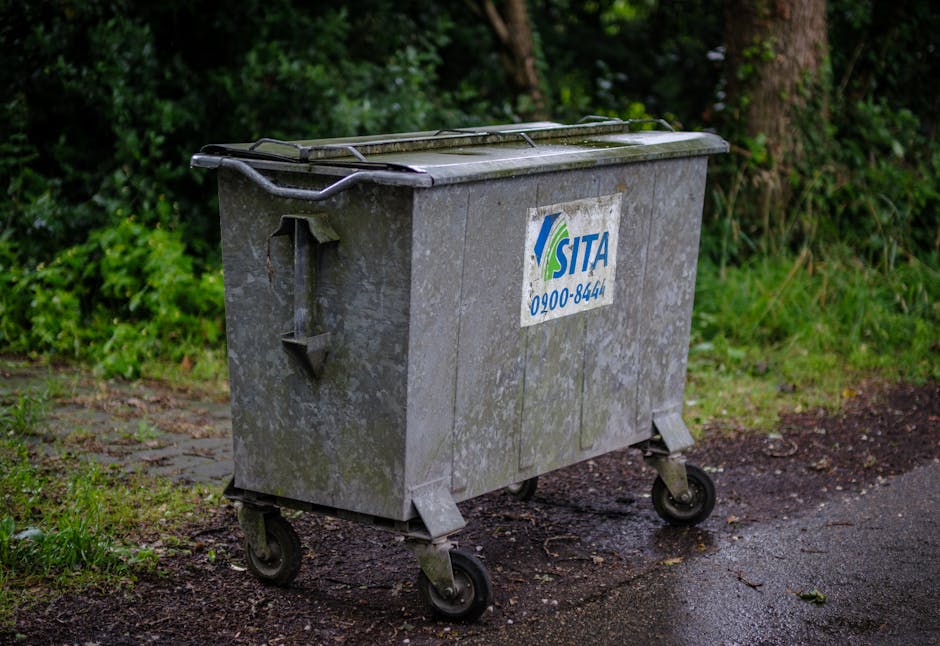
Aerodrome Road bulky-waste advice for Colindale homes
If you live near Aerodrome Road in Colindale, bulky waste has a habit of turning up at the worst possible time. A sofa that no one wants to move. A broken wardrobe waiting in the hallway. A mattress that will not magically shrink because the bin day is inconvenient. The good news is that bulky waste does not need to become a weekend-eating project. With the right plan, you can clear it safely, legally, and without turning your home into a temporary storage unit.
This guide gives clear Aerodrome Road bulky-waste advice for Colindale homes, with practical steps for sorting items, choosing the right removal method, avoiding common mistakes, and understanding what a proper clearance service should look like. It also covers when a simple uplift is enough and when a fuller waste removal service in Colindale or furniture disposal support is the smarter choice.
Whether you are clearing a flat, a family house, a loft, or a garage, the aim is the same: remove the heavy stuff with as little disruption as possible. Sounds simple. In real life, it rarely is. So let's make it easier.
Table of Contents
- Why Aerodrome Road bulky-waste advice for Colindale homes Matters
- How Aerodrome Road bulky-waste advice for Colindale homes Works
- Key Benefits and Practical Advantages
- Who This Is For and When It Makes Sense
- Step-by-Step Guidance
- Expert Tips for Better Results
- Common Mistakes to Avoid
- Tools, Resources and Recommendations
- Law, Compliance, Standards, or Best Practice
- Options, Methods, or Comparison Table
- Case Study or Real-World Example
- Practical Checklist
- Conclusion
- Frequently Asked Questions
Why Aerodrome Road bulky-waste advice for Colindale homes Matters
Bulky waste is different from everyday rubbish because of its size, weight, and awkward shape. A single item can block a hallway, scratch a wall, or make a lift trip awkward. In Colindale homes, especially flats and smaller properties, that matters even more. Space is tight, stairwells are shared, and bulky items often need to be moved carefully to avoid damage or complaints from neighbours.
Good advice also matters because not every item can go out with standard household waste. Mattresses, wardrobes, disassembled desks, headboards, white goods, garden furniture, and broken shelving all require a sensible approach. Leave them in the wrong place or on the wrong day, and you may create a fire risk, obstruct access, or simply end up with an item sitting there for far longer than you expected.
There is another reason this topic matters: cost control. If you do not plan the removal properly, you may pay twice. Once for a rushed service, and again for a return visit because the item could not be taken first time. A well-organised approach reduces wasted effort and helps you choose between collection, reuse, recycling, donation, or professional clearance. If you are weighing up whether a room-level clear-out is more appropriate, home clearance in Colindale can be a useful next step for larger jobs.
Expert summary: The best bulky-waste plan is not the fastest one on paper; it is the one that gets awkward items out safely, with no damage, no confusion, and no lingering mess.
How Aerodrome Road bulky-waste advice for Colindale homes Works
The basic process is straightforward, but the details make the difference. First, identify what needs to go. Then decide whether it can be reused, donated, dismantled, recycled, or removed as bulky waste. After that, check access: stairs, lifts, parking, turning space, and whether the item can be carried out without disturbing shared areas.
For many Colindale households, the process begins with one room that has become a holding area. A spare room fills up with old furniture. A loft becomes the long-term home of broken items. A garage turns into a "sort it later" zone. Before you know it, you are dealing with more volume than expected. If the job is mainly furniture-heavy, a dedicated furniture clearance service may be more efficient than trying to piece the job together yourself.
Next comes loading and removal. A professional team will normally assess the weight, shape, and access route, then remove the item carefully with the right equipment. That is especially important for large wardrobes, heavy sofas, washing machines, and items with sharp edges or loose parts. The final stage is sorting for reuse or disposal. Reputable operators will prioritise responsible handling and recycling where possible, which is why many residents prefer services that also highlight recycling and sustainability.
For larger properties or combined jobs, you may need more than a single-item uplift. In those cases, services like house clearance in Colindale or flat clearance can handle bulky waste alongside smaller household items in one visit.
Key Benefits and Practical Advantages
When bulky-waste advice is tailored to local homes rather than generic advice, you make better decisions. The benefits are practical, not theoretical.
- Less disruption: Items are removed efficiently, so your hallway, staircase, or shared entrance is not blocked for long.
- Lower risk of damage: Heavy furniture and appliances can scratch floors, chip paintwork, or crack skirting boards if moved badly.
- More sensible sorting: Some items are better reused or broken down for parts rather than treated as mixed waste.
- Better use of space: Clearing one bulky item often opens up more room than people expect.
- Cleaner handover: Useful when you are moving, refurbishing, renting out, or preparing a property for sale.
- Improved safety: Less clutter means fewer trip hazards and fewer awkward lift-outs.
There is also a mental benefit people underestimate. One large item can make a room feel unfinished or neglected. Remove it, and the whole space feels lighter. That may sound obvious, but it is often the reason people finally act after weeks of putting it off.
If the waste has built up across more than one area, it can be helpful to look at loft clearance or garage clearance rather than treating each item in isolation. You will usually save time by clearing the source of the clutter, not just the visible pile.
Who This Is For and When It Makes Sense
This advice is for Colindale residents who have items that are too big, heavy, or awkward for normal bin collection. It is particularly relevant if you live on Aerodrome Road or nearby streets where access, parking, and shared entrances can complicate removal.
Typical situations include:
- moving out and needing a sofa, bed, or wardrobe removed fast
- replacing old furniture after a renovation
- clearing a flat after a tenancy ends
- emptying a loft, garage, or spare room
- disposing of broken items that are no longer safe to keep
- preparing a property for sale, letting, or refurbishment
It also makes sense for landlords and property managers who need a quick turnaround between occupants. A delayed clearance can slow the entire process, and bulky items are usually the first thing that make a property look unfinished. In business settings, the same logic applies; if you are dealing with chairs, desks, or filing units, an office clearance service can keep things moving without creating a logistics headache.
One useful rule of thumb: if you are wondering whether an item is "worth the hassle," it probably is. The hassle is exactly what a proper service is meant to remove.
Step-by-Step Guidance
Here is the simplest way to handle bulky waste without losing half your weekend.
- Identify every item clearly. Write down what needs to go and which room it is in. That stops the classic problem of remembering the bed frame but forgetting the mattress.
- Separate keep, reuse, and remove. If an item can still be donated or passed on safely, do that before it becomes mixed waste.
- Check access carefully. Measure doorways, stair corners, lift sizes, and any tight turns. This matters more than people think.
- Break down what can be dismantled. Flat-pack furniture, bed frames, shelves, and some tables move much more easily when taken apart.
- Protect the route out. Use blankets, cardboard, or moving pads where needed to reduce scuffs and scrapes.
- Choose the right removal method. A single item may only need a quick uplift, but mixed furniture, loft contents, or post-renovation clutter may need a broader waste removal solution.
- Confirm what is included. Ask whether lifting, loading, disposal, and sweep-up are part of the service so there are no surprises on the day.
- Keep the area clear on collection day. That sounds obvious, but shoes, baskets, pushchairs, and recycling bags somehow always reappear in the path.
If you are dealing with multiple item types, you can also combine jobs. For example, a homeowner might clear a sofa, a broken wardrobe, and a few garage items in one appointment rather than booking separate visits. That is often the calmer and more economical route.
Expert Tips for Better Results
A little preparation goes a long way. A surprisingly large number of bulky-waste problems are caused not by the item itself, but by how it is presented for removal.
First tip: photograph items before collection. This helps if you are requesting a quote and also makes it easier to explain any access quirks, such as narrow corridors or awkward parking.
Second tip: group similar items together. Keep all furniture in one area, all soft furnishings in another, and all loose accessories boxed or bagged. It saves time and reduces confusion.
Third tip: remove drawers, shelves, detachable legs, and loose fittings before collection. A "small" wardrobe can become much less manageable when a shelf decides to fall out halfway down the stairs.
Fourth tip: plan around building rules. In some flats, you may need to avoid busy times in communal areas or use lift-protection measures. A careful team will work around these constraints rather than forcing the issue.
Fifth tip: ask about recycling pathways. Reuse and recycling are not just nice extras. They are often the most sensible route for wooden furniture, metal frames, and certain appliances.
If you are comparing providers, look for clear information about pricing and quotes, and ask how they handle sorting and disposal. Clear answers are usually a good sign. Vague answers tend to stay vague right up to the invoice.
Common Mistakes to Avoid
People usually get into trouble in predictable ways. Knowing them in advance saves time and awkward conversations.
- Leaving items in the wrong place: communal hallways, pavements, or fire exits are not temporary storage.
- Underestimating weight: a bulky item can be much heavier than it looks, especially if it contains water, mechanism parts, or solid wood.
- Forgetting access limits: lift sizes, stair corners, and parking restrictions can change the entire plan.
- Mixing categories: furniture, builders' debris, and garden waste may need different handling.
- Assuming everything can be collected the same way: broken glass, appliances, and upholstered items may have separate requirements.
- Choosing the cheapest option without checking service scope: a low headline price can become expensive if loading, uplift, or disposal is not actually included.
A subtle but important mistake is waiting until the problem becomes urgent. If you already know you will be moving, refurbishing, or replacing furniture, give yourself a bit of lead time. The best outcomes usually come from people who plan before the corridor is full.
Tools, Resources and Recommendations
You do not need specialist equipment to prepare for bulky-waste collection, but a few simple tools help a lot:
- tape measure for doors, corridors, and lift access
- sturdy gloves for sorting and moving lighter pieces
- moving blankets or old sheets to protect floors and walls
- marker pen and labels for item grouping
- flat screwdriver or hex key for dismantling furniture
- strong bags or boxes for loose fixings and smaller parts
For residents who want to reduce waste rather than simply remove it, a useful mindset is "sort before you lift." Check whether an item can be donated, repaired, or recycled. That approach is especially helpful for serviceable furniture and room-clearance jobs. If the job is bigger than a one-off item, consider support that aligns with a broader about us service page and a responsible disposal approach.
When choosing a provider, useful questions include:
- Will you take the item from inside the property?
- Do you handle dismantling if needed?
- How do you separate recyclable materials?
- Is the quote based on access, weight, or volume?
- What happens if the item is larger than expected?
For people who value transparency, it also helps to review insurance and safety details and the company's health and safety policy. You are not being fussy; you are being sensible.
Law, Compliance, Standards, or Best Practice
Bulky-waste removal in the UK sits within a sensible framework of household responsibility, safe handling, and lawful disposal. The exact local rules can vary, so it is worth checking the relevant borough guidance where needed. Rather than assume a single universal process, treat council collections, private clearance services, and recycling routes as separate options with their own conditions.
From a best-practice perspective, the key points are simple:
- do not block shared access routes or fire exits
- do not leave items where they could become a hazard
- use a provider that can explain how waste is handled after collection
- ensure any transfer of waste is to an appropriate and legitimate facility
- keep records or quotes if you are a landlord, agent, or business user
If you are clearing a property that contains mixed waste, it is worth asking whether the provider has clear policies around responsible handling. That can include general service terms, terms and conditions, and privacy practices when booking or requesting a quote. For readers who want to understand how a company approaches responsibility more broadly, a clear recycling and sustainability statement is a good sign.
One practical point often missed: if you are in a block of flats, building management rules may sit alongside local waste guidance. That means lift booking, loading bays, or hallway protection may matter just as much as the disposal method itself.
Options, Methods, or Comparison Table
Different bulky-waste situations call for different solutions. The right choice depends on the number of items, the access conditions, and how quickly you need the space back.
| Method | Best for | Pros | Limitations |
|---|---|---|---|
| Self-move to disposal point | Small, manageable items | Can be low-cost and flexible | Requires vehicle, lifting ability, and time |
| Council bulky collection | Simple household items | Suitable for routine clear-outs | May have booking rules, limits, or wait times |
| Dedicated furniture uplift | Sofas, beds, wardrobes, appliances | Quick and less physically demanding | Not always ideal for mixed waste |
| Full room or property clearance | Large clear-outs, moving, voids, or refurbishments | Handles volume efficiently | More comprehensive than a one-item service |
For many Colindale homes, the sweet spot is somewhere between a furniture-specific uplift and a broader household service. If the job extends beyond one sofa or one mattress, a house clearance or home clearance may be a more efficient fit. If the item is from a renovation rather than from general household use, a specialist builders waste clearance route can be more appropriate.
Case Study or Real-World Example
Consider a typical Colindale flat: a tenant is moving out, the landlord wants the property ready quickly, and there is a sofa bed, a broken chest of drawers, two side tables, and a mattress to remove. None of the items are massive on their own, but together they make the exit route awkward and the living room feel crowded.
The smartest approach is not to tackle each object separately. The tenant sorts keep/donate/remove items first, then photographs the bulky pieces, checks the stair and lift access, and arranges a collection window that avoids rush hour in the communal areas. The clearance team arrives, removes the items in one visit, and leaves the space ready for cleaning and handover.
Why does this work so well? Because the team is solving the logistics, not just lifting objects. That is the key difference between a rushed removal and an organised one. If there are additional items in the garage, the same appointment may be extended into a broader garage clearance rather than splitting the job into two separate disruptions.
That is the kind of practical planning that saves time. Not glamorous, admittedly. But very effective.
Practical Checklist
Use this checklist before collection day:
- Identify every bulky item you want removed
- Separate reusable, recyclable, and waste items
- Measure access points, lifts, and stair turns
- Confirm whether dismantling is required
- Clear hallways, entrances, and loading routes
- Protect floors or walls if the route is tight
- Check whether parking or loading access is needed
- Ask what is included in the quote
- Keep pets and children away from the moving route
- Make sure someone is available to answer access questions on the day
If you are handling a bigger clear-out, it can also help to review the provider's contact us page in advance so booking details and access notes are ready. A few minutes of preparation can save a lot of back-and-forth later.
Conclusion
Aerodrome Road bulky-waste advice for Colindale homes comes down to one simple idea: do not treat large items like ordinary rubbish. Bulky waste needs planning, safe handling, and the right disposal route. Once you sort the items, check access, and choose the right level of service, the job becomes much easier.
Whether you are getting rid of a single broken sofa or clearing an entire room, the smartest move is to think practically rather than react in a rush. That means using the right service, asking the right questions, and avoiding the shortcuts that create more work later. For many residents, the best next step is to arrange a straightforward quotation and compare it with the effort and risk of doing it yourself.
Get a free quote today and see how much you can save.
If you want a smoother process for a bigger job, take a look at the local service options for furniture clearance, waste removal, or a broader house clearance depending on what needs to go.
Frequently Asked Questions
What counts as bulky waste in a Colindale home?
Bulky waste usually means large or heavy items that do not fit in normal household bins. Common examples include sofas, mattresses, wardrobes, tables, appliances, and large broken household items.
Can I leave bulky items in a communal hallway before collection?
Usually, no. Shared hallways, entrances, and fire routes should stay clear. Leaving items there can create a hazard and may cause problems with neighbours or building management.
Is it better to dismantle furniture before removal?
Often, yes. If an item can be safely dismantled, it may be easier to move and less likely to damage walls or flooring. That said, not every item should be taken apart without care.
How do I know whether I need a furniture clearance or a full home clearance?
If you only have one or two items, furniture clearance may be enough. If the job involves several rooms, mixed household items, or a substantial amount of clutter, a home clearance is usually more efficient.
What if the item is too large for the lift or staircase?
That is common. A clearance team may still be able to remove it by dismantling it first or using a different route, but it needs to be assessed in advance so the plan matches the access.
Can bulky waste include broken appliances?
Yes, it can. However, appliances may need careful handling because of wiring, weight, and possible recycling requirements. It is best to mention them clearly when requesting a quote.
How far in advance should I book a bulky-waste collection?
That depends on urgency and availability. If you are on a deadline, book as early as possible. For routine clear-outs, a little lead time makes the process much smoother.
Will the team remove items from inside the property?
Often yes, but you should confirm this before booking. Some providers offer inside collection, loading, and sweep-up as part of the service, while others may only collect from an external point.
What should I ask before agreeing to a quote?
Ask what is included, whether loading and lifting are covered, how access affects the price, and how the waste is handled afterwards. Clear answers help you compare options fairly.
Is there a difference between bulky waste and builders waste?
Yes. Bulky waste is usually household furniture or large domestic items. Builders waste is the debris left after renovation or construction, such as rubble, plasterboard, timber offcuts, and packaging.
Can bulky items be recycled or reused?
Sometimes, yes. Wooden furniture, metal frames, and some appliances may be suitable for recycling or reuse depending on their condition and material mix. A responsible provider should separate items where practical.
What is the safest way to move a very heavy item at home?
The safest approach is usually not to force it. Clear the route, use the right equipment, and get help where needed. Heavy lifting in tight spaces is exactly where injuries and damage tend to happen.